Standardised Assessments
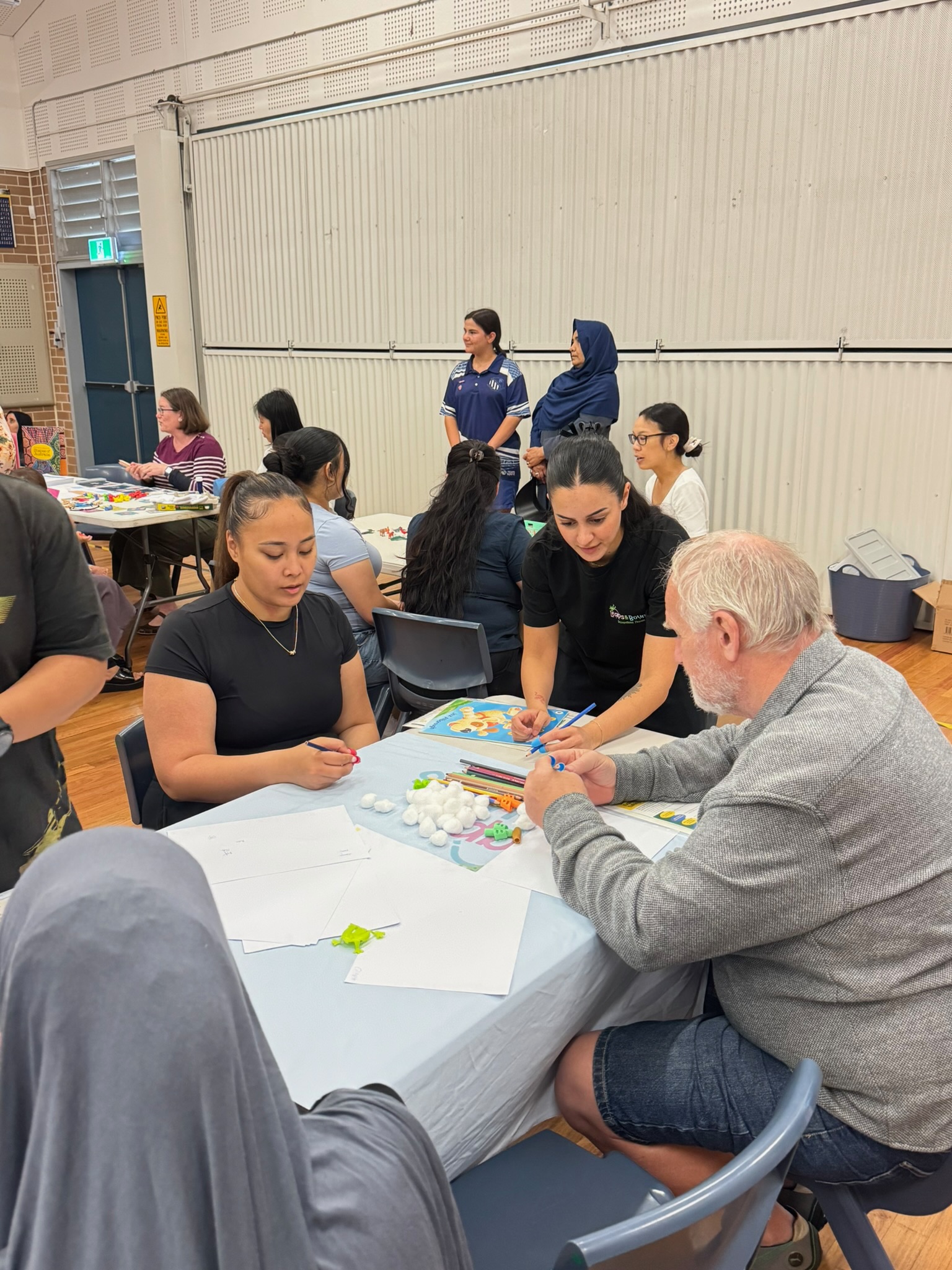
An occupational therapy assessment is an important stage of the occupational therapy process. These assessments are tools used by therapists to gather important information about your child.
Standardised assessments are used to measure different factors or capacities (such as motor skills, cognitive capacity and sensory processing) that may be impacting on their performance in the classroom or at home.
Assessments differ for every child to cater to their abilities and limitations. Once the results are calculated, one of our therapists will discuss with you your child’s strengths and weaknesses and how occupational therapy might help your child. A therapy plan will be created to address your child’s needs. It will come in a written comprehensive report, outlining your goals for your child and therapy guidelines.
The ADOS-2 accurately assesses and diagnoses autism spectrum disorders across age, developmental level, and language skills.
The ADOS-2 is a semi-structured, standardised assessment of:
The assessment presents various activities that elicit behaviours directly related to a diagnosis of ASD. By observing and coding these behaviours, you can obtain information that informs diagnosis, treatment planning, and educational placement.

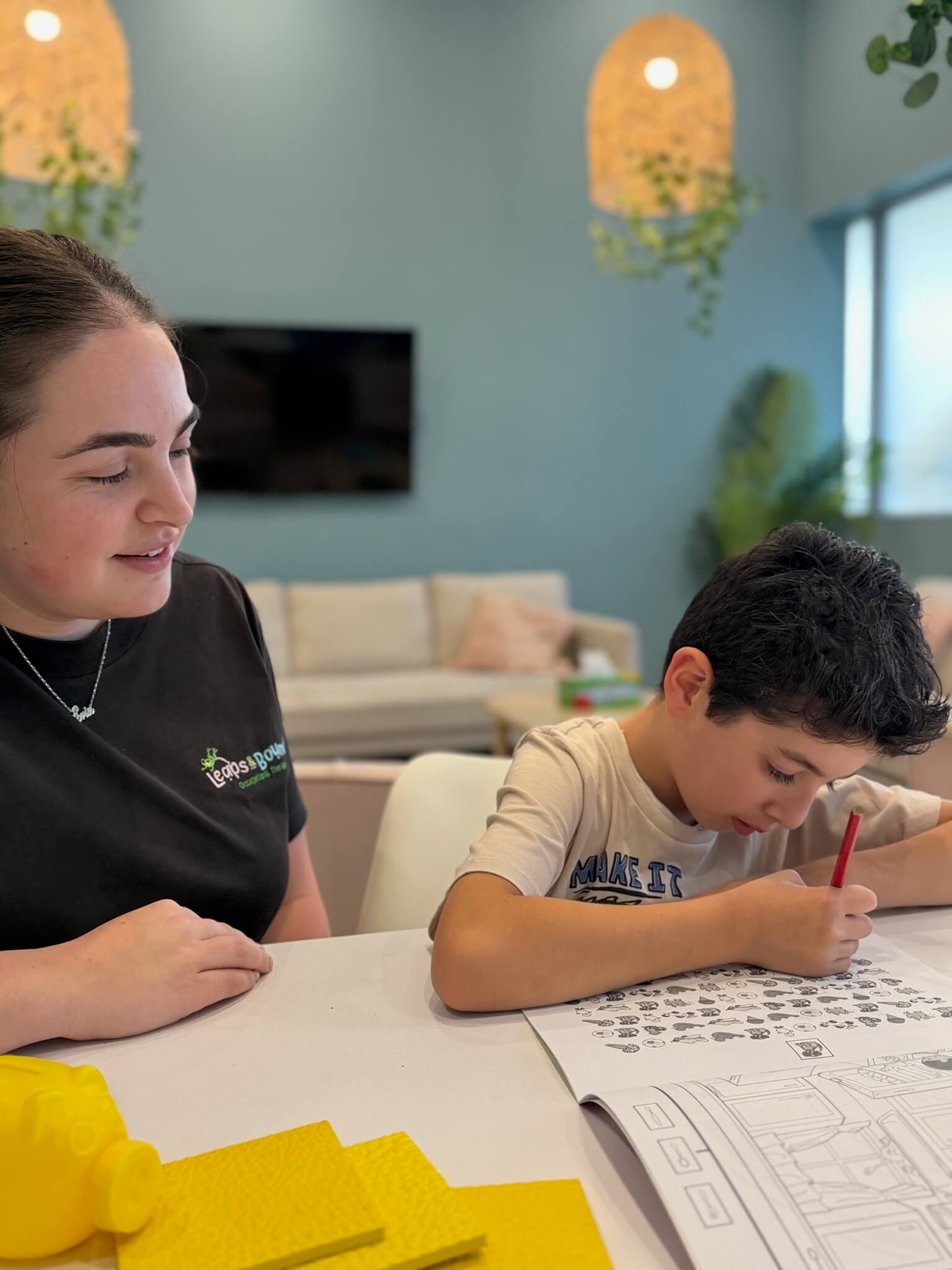
Vineland Adaptive Behavior Scales Third Edition is the leading instrument for supporting the diagnosis of intellectual and developmental disabilities. Vineland-3 not only aids in diagnosis, but provides valuable information for developing educational and treatment plans.
The Vineland-3 is a standardized measure of adaptive behavior–the things that people do to function in their everyday lives. Whereas ability measures focus on what the examinee can do in a testing situation, the Vineland-3 focuses on what he or she actually does in daily life. Because it is a norm-based instrument, the examinee’s adaptive functioning is compared to that of others his or her age.

This assessment provides a complete picture of adaptive skills across the life span.
Adaptive behaviour refers to the age-appropriate behaviours that all people, with or without disabilities, need to live independently and to function well in daily life.
It is particularly useful for evaluating those with developmental delays, autism spectrum disorder, intellectual disability, learning disabilities, neuropsychological disorders, and sensory or physical impairments.
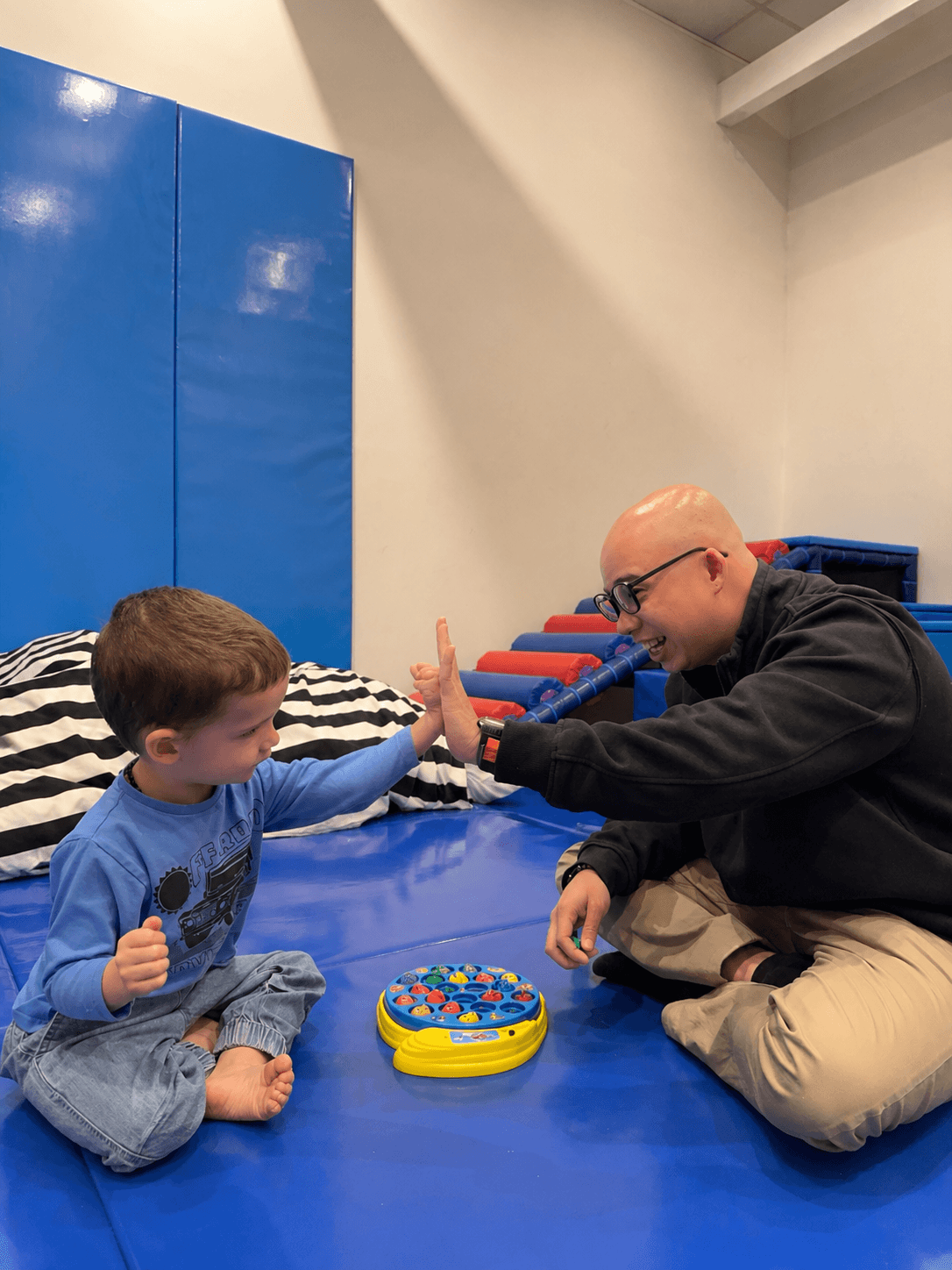
M-FUN-PS is engaging for all children and allows you to assess a child’s functional performance as it relates to school participation. M-FUN-PS can be used to assess children with lower motor-function skills and those with mild, moderate or severe motor impairment.
Use M-FUN-PS to:

The TVPS-3 remains an easy to use assessment to determine the visual perceptual strengths and weaknesses of students aged 4-0 through 18-11. Visual perception is an important ability that enables one to make sense out of what is seen (in contrast to visual acuity tests which determine just that something was seen by the individual). The TVPS-3 may be used by a number of different types of professionals: learning specialists, occupational therapists, optometrists, and rehabilitation specialists.